
If you have only ever used store-bought spaghetti sauce from a jar, consider this recipe your invitation to freshen up your pasta dishes and fall in love with “spaghetti night” all over again. Homemade sauce is more flavorful, abundant, and fresh by every comparison, and you get to customize the flavors to suit your taste as it comes together and simmers. This is an endlessly versatile sauce, and I consider it a basic, must-have recipe.
The Ingredients
- 2 tablespoons extra virgin olive oil
- 1 medium yellow onion, diced
- 6 cloves garlic, minced
- 1 (28-ounce) can crushed tomatoes
- 1 (28 ounce) can diced tomatoes
- ¼ cup Fresh Basil & Pine Nut Pesto
or 1 tablespoon dried basil
or ¼ cup julienned fresh basil leaves - 1 teaspoon coarse Kosher salt
- ½ teaspoon fresh black pepper
- ⅛ teaspoon chili pepper flakes (optional)
Optional Garnishes:
- 2 tablespoons shredded Parmesan
- 2 tablespoons julienned basil leaves
The Method
- Prep and organize your ingredients. Open the cans and have salt and pepper ready to go.
- Heat olive oil in a large deep saucepan over medium heat. Add diced onion and cook until translucent; add the garlic and sauté, stirring often, for about 30 seconds or until you smell the garlic more distinctly. Add the tomatoes, pesto (or basil), salt, pepper, and chili flakes (optional). Stir gently to mix completely and bring to a low simmer. After the initial splattering dies down, simmer uncovered or only partially covered. Once warmed up, the sauce is ready to use. However, if you would like it to be thicker, simply simmer over low heat until it reaches your desired consistency.
Tips
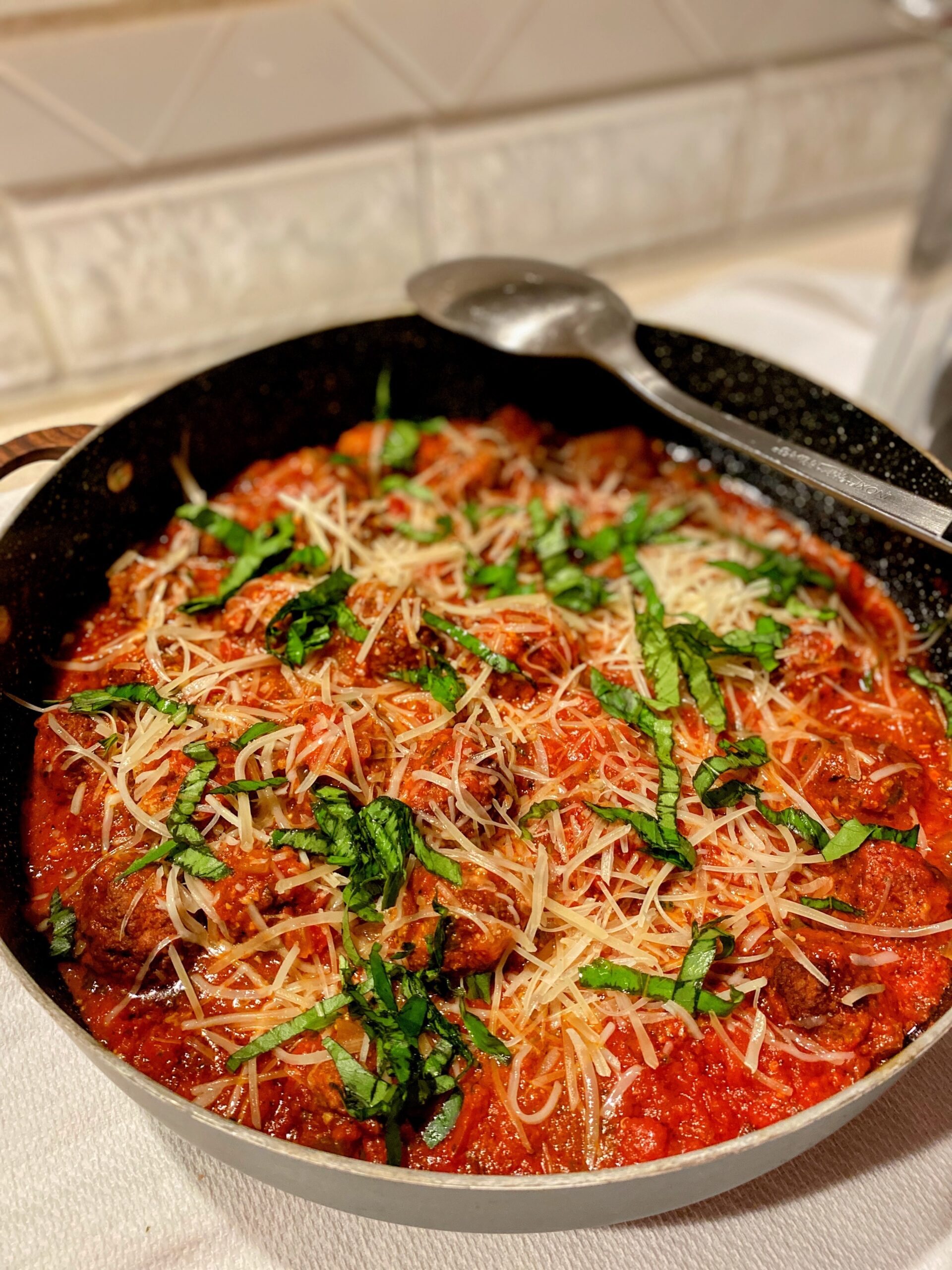
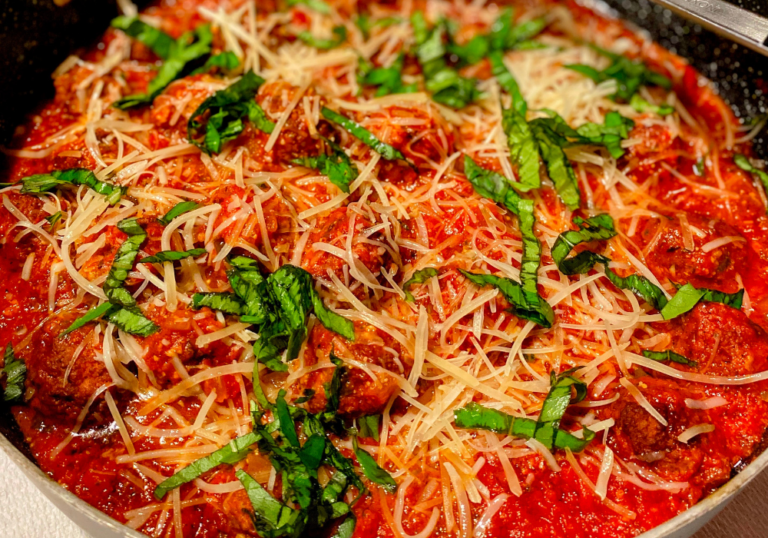
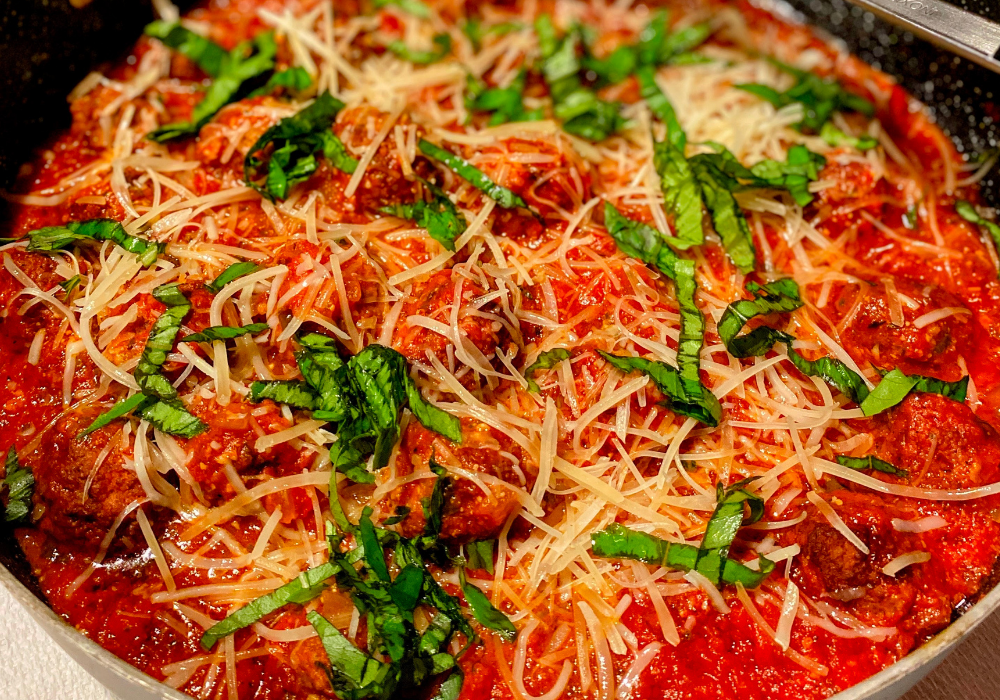
- Once the sauce is assembled and prior to simmering it down, I love to add frozen, precooked meatballs that warm in the sauce. After stirring in the meatballs, I cover the pot with a lid and simmer for about 25 minutes or until the meatballs are ready. Just be sure to check the package directions to make sure you cook the meatballs thoroughly.
- Tomatoes vary in acidity, so the amount of seasonings may change from batch to batch. The goal is to strike a harmonious balance between the acidity, salt, and sweetness of the sauce. If it falls flat and lacks acidity, I’ll add a squeeze of fresh lemon juice. If it’s bland, I’ll add a drizzle or two of Worcestershire sauce. If overly harsh and acidic, add a tablespoon or two of brown sugar. As always, when ad libbing seasonings, it’s wise to add small amounts at first and layer in more to avoid overseasoning.
- If I have leftover Parmesan rinds in my freezer, I add them to the sauce, too. If the rind doesn’t completely soften and melt in the sauce, I remove it prior to serving. It adds a more complex nutty flavor to the finished sauce.
- I’ve heard that some Italian mamas insist on adding a peeled carrot to the sauce while cooking, to remove excess acidity from canned tomatoes. They simply toss it out prior to serving or adding pasta. Should we try that too?!
- Instead of serving pasta sauce on the side, you can also add freshly cooked, drained pasta directly into the sauce after it’s simmered down. The hot pasta soaks up some of the sauce and makes an easy-to-serve dish. Just add some freshly grated Parmesan cheese and a sprinkle of fresh or dried parsley for a finished dish.
- If you have extra sauce left over, it freezes beautifully for up to six months in a zippered plastic freezer bag and is perfect for homemade pizza, stuffed shells, lasagna, chicken Parmesan, and a multitude of other pasta dishes. So versatile, so yummy!
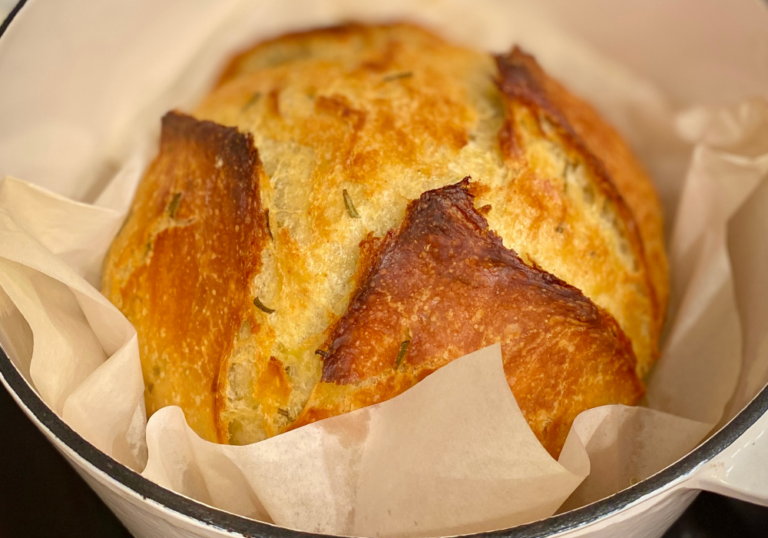
- Because this is a stovetop dish, your oven will be available to bake a fresh loaf of Rosemary Olive Oil Bread or a batch of indulgent Focaccia, both of which I highly recommend!